
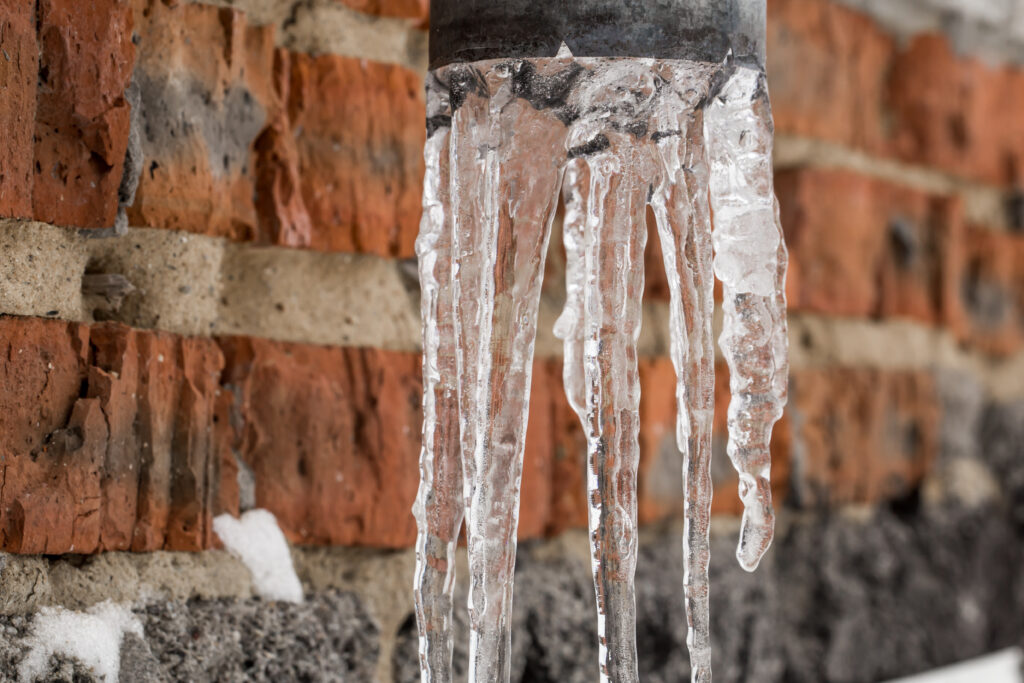
Late February can be deceptive. The days start to feel a little longer, maybe even a little warmer — but overnight temperatures are still dipping below freezing. Those final winter cold snaps are often what catch homeowners off guard.
If your area has seen recent freezing nights, snowmelt followed by refreezing, or temperature swings below 32°F, your plumbing system is still at risk and you may not discover this until your pipes are frozen. Here’s what to watch for as winter winds down — and how to respond before a small issue turns into a burst pipe.
Why Frozen Pipes Are Still a Risk in Late Winter
By the end of February, many homes have already been through weeks of cold weather. Pipes that have expanded and contracted repeatedly are under stress. Add one more hard freeze, and that’s sometimes when problems show up.
Any pipe that carries water can freeze if exposed to cold air long enough. The most vulnerable areas include:
- Attics and crawl spaces
- Garages
- Basements
- Pipes running along exterior walls
- Plumbing under sinks on outside-facing walls
When water freezes, it expands. That expansion builds pressure inside the pipe — and pressure is what causes cracking and bursting.
Even if your home has made it through most of winter without issues, late-season freezes can still cause damage.
Early Warning Signs Your Pipes May Be Freezing
Frozen pipes don’t always announce themselves dramatically. Often, the warning signs are subtle at first.
Frost on Exposed Pipes
If you head into the garage or attic after a freezing night and notice frost forming on visible pipes, take it seriously. Even light frost can signal that water inside the line has begun to freeze.
Catching it at this stage can prevent a much bigger problem.
Unusual Plumbing Noises
Strange sounds are another red flag. If you turn on a faucet and hear banging, clanking, whistling, or gurgling, water may be struggling to move past ice inside the pipe.
Air trapped behind frozen sections can create pressure changes that cause those unfamiliar noises.
Sudden Drop in Water Pressure
A noticeable decrease in water pressure — especially at a single fixture — often means a partial blockage is forming.
If only one sink or shower is affected, the frozen section is likely somewhere along that branch line. If the entire home experiences low flow, the issue may be closer to the main supply.
Late winter temperature swings are especially tough on pipes, as daytime thawing and nighttime refreezing can worsen restrictions.
Sewer or Musty Odors
If you notice unpleasant smells coming from drains, frozen sections could be interfering with proper venting. When airflow is blocked, odors that should exit through the roof vent may back up into living areas.
It’s not the most obvious sign, but it’s one worth paying attention to.
Bulging or Cracked Pipes
This is the most serious warning.
When water freezes and expands, the pipe walls stretch. If you see swelling, distortion, or visible cracks, shut off your main water supply immediately. That pressure can quickly lead to a rupture once thawing begins.
Late-season bursts are common because pipes that have been stressed all winter are already weakened.
What to Do If You Suspect a Frozen Pipe
If you believe a pipe has frozen but hasn’t burst, act quickly.
Start by shutting off the water to the affected area — or to the whole home if you’re unsure. This limits damage if the pipe cracks during thawing.
Open the faucet connected to that line. Keeping it open allows pressure to escape and gives melting water somewhere to flow.
Apply gentle heat using a hair dryer, heating pad, or warm towels. Move heat gradually along the pipe. Never use an open flame such as a blowtorch or propane heater — those can damage pipes and create fire hazards.
If you can’t access the frozen section, or you suspect a pipe has already split inside a wall, call a plumber right away.
How to Protect Your Plumbing Through the Rest of Winter
With several weeks of cold weather still possible, prevention matters.
Keep your thermostat set consistently, even if you’re leaving town for a weekend. Open cabinet doors under sinks to allow warm air to circulate around exterior wall plumbing. During extreme cold nights, letting faucets drip slightly can relieve pressure inside the system.
Disconnecting outdoor hoses and insulating exposed pipes in unheated areas also reduces risk as winter transitions into early spring.
Don’t Let the Last Cold Snap Catch You Off Guard
The end of February often feels like the home stretch of winter — but plumbing problems don’t check the calendar.
If you notice any of these warning signs, respond early. Acting quickly can prevent water damage, protect your home, and save you from a costly repair just as the season begins to change.
If you suspect a frozen pipe or want a professional inspection before the next cold night hits, schedule service with Advanced Home Services today. Our plumbers are here to protect your home and keep your plumbing running safely through the rest of the season.